Category: Tea Gear

Japanese cold brew tea pots and bottles compared using official specs.

  • Hario Filter-in Bottle 300ml vs 750ml: Which Size to Buy?

    Hario Filter-in Bottle 300ml vs 750ml: Which Size to Buy?

    As an Amazon Associate, TidyJapan earns from qualifying purchases. Links marked ‘Check price’ are affiliate links.

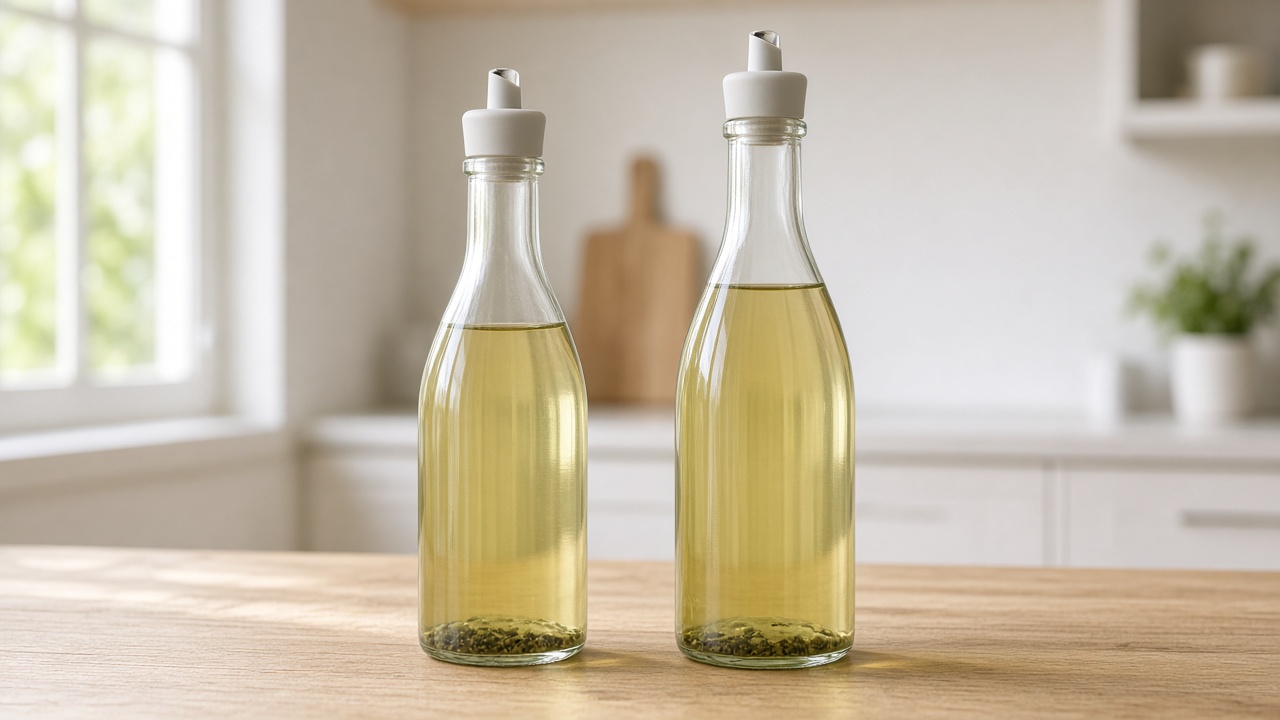
    Short answer: Choose the Hario Filter-in Bottle 300 ml (FIB-30, about 10.1 fl oz) at $23.50 on Hario USA if you want a smaller personal cold-brew bottle. Choose the 750 ml (FIB-75, about 25.4 fl oz) at $27.50 if you want about two and a half times the tea for only $4 more — the better price per ounce at about $1.08 versus $2.32 (our math). Both are made-in-Japan heatproof-glass bottles with a removable silicone wine-style spout and a polypropylene filter. Hario’s manuals say to brew them in the refrigerator for 3 to 6 hours.

    How we compare: every spec and price below comes from Hario’s official pages (Hario USA 300 ml, Hario USA 750 ml, Hario Japan, Hario Global, and HARIO NETSHOP), plus the size-specific manuals linked from Hario USA. We don’t run hands-on tests. Where we summarize Japanese third-party reviews, we say so. Last updated: November 2026.

    Quick Comparison Table

    Spec Filter-in Bottle 300 ml Filter-in Bottle 750 ml
    Hario USA name Cold Brew Tea Wine Bottle, 300ml Cold Brew Tea Wine Bottle
    Capacity Practical capacity 300 mL (about 10.1 fl oz; our conversion). Hario USA: “Practical Capacity: 300 Milliliters.” Practical capacity 750 mL (about 25.4 fl oz; our conversion). Hario USA lists “Capacity: 750 Milliliters” (without the word “practical”); Hario Japan and Hario Global say practical capacity 750 mL.
    Product numbers (by color) FIB-30-SG Smoky Green, FIB-30-SPR Smoky Pink, FIB-30-W White (Hario USA SKUs HR-FIB-30-SG / HR-FIB-30-SPR / HR-FIB-30-W) On Hario USA: FIB-75-OG Olive Green, FIB-75-SG Smoky Green, FIB-75-SPR Smoky Pink, FIB-75-W White, FIB-75-B Black (SKUs HR-FIB-75-OG / HR-FIB-75-SG / HR-FIB-75-SPR / HR-FIB-75-W / HR-FIB-75-B). Hario Japan, Hario Global, and HARIO NETSHOP list only SG, SPR, and W.
    Hario USA price $23.50 $27.50
    Price per fluid ounce (our math) about $2.32 about $1.08
    Size W 70 × D 68 × H 206 mm, mouth 57 mm (about 2.8 × 2.7 × 8.1 in, mouth 2.2 in; our conversions) W 87 × D 84 × H 300 mm, mouth 71 mm (about 3.4 × 3.3 × 11.8 in, mouth 2.8 in; our conversions)
    Weight (as officially labeled) Approx. 300 g, including the individual box (Hario Japan / Hario Global) Approx. 500 g, including the individual box (Hario Japan / Hario Global)
    Materials Heatproof glass bottle; removable spout and stopper, silicone rubber; filter, polypropylene Same
    Care (see notes below) Dishwasher and hot water per official pages and the FIB-30 manual. Microwave wording differs by site. Dishwasher and hot water per Hario Japan / Global and the FIB-75 manual. The Hario USA 750 ml page does not repeat the care sentence used on the 300 ml page. Microwave wording differs by site.
    Made in Japan Japan
    Japan price (tax included) ¥1,980 (Hario Japan manufacturer’s suggested retail and HARIO NETSHOP) ¥2,200 (Hario Japan manufacturer’s suggested retail and HARIO NETSHOP)

    U.S. prices, color lists, and Hario USA wording from the live Hario USA product pages, checked November 8, 2026 (Asia/Tokyo), when Shopify variant data showed all three 300 ml colors and all five 750 ml colors as available (the storefront HTML can still print a theme “Sold out” string). Millimeter sizes, practical-capacity wording, gram weights labeled “including the individual box,” Japan care icons, and yen prices from Hario Japan, Hario Global, and HARIO NETSHOP the same day (NETSHOP listed White, Smoky Pink, and Smoky Green in both sizes as available). Brew times, tea amounts, dishwasher wording, and hot-drink cautions from the FIB-30 and FIB-75 manuals linked on the Hario USA pages. Fluid-ounce figures, inch conversions, and price per ounce are our own math (1 fl oz = 29.5735 ml). Hario Global spells the colors “Smokey”; Hario USA variant titles use “Smoky.”

    Key differences at a glance

    • Capacity: 300 ml vs 750 ml practical capacity — the larger bottle holds 2.5 times as much tea.
    • Size: 206 mm vs 300 mm tall, 70 mm vs 87 mm wide. The 750 ml is simply a larger wine-bottle shape, not a different brewing system.
    • Weight as labeled: about 300 g vs 500 g, including the individual box.
    • Price: $23.50 vs $27.50 on Hario USA; about $2.32 vs $1.08 per fluid ounce.
    • Colors on Hario USA: three shared colors on the 300 ml (Smoky Green, Smoky Pink, White). The 750 ml adds Olive Green and Black on Hario USA. Japan’s official pages list only the three shared colors for both sizes.
    • Same on both: wine-bottle shape, filter in the spout so you can pour without removing the leaves, heatproof glass made in Japan, silicone spout and stopper, polypropylene filter, refrigerator brew of 3 to 6 hours in Hario’s manuals.

    1. Capacity: who should buy which size?

    Hario rates both bottles by practical capacity — 300 mL and 750 mL — not brim-full volume. The 300 ml bottle’s manual tells you to add 6 g of tea leaves and fill to the top 300 mL mark (there is also a 200 mL mark). The 750 ml manual says to add 15 g of tea leaves (5 to 7 teaspoons) and fill to the top 750 mL mark (there are also 400 mL and 600 mL marks). Both manuals say to set the stopper and brew in the refrigerator for 3 to 6 hours; they add that 6 hours gives a richer flavor and that time varies with the tea. Hario USA’s product pages say to steep your favorite tea overnight, and they also suggest fruit or herbs.

    Choose the 300 ml (FIB-30) if you:

    • Want a personal bottle for about one or two glasses
    • Have limited upright space in the fridge and prefer the shorter 206 mm height
    • Want the lower upfront price ($23.50 on Hario USA when we checked)

    Choose the 750 ml (FIB-75) if you:

    • Want several glasses from one brew, or enough tea to share at the table
    • Want the better price per ounce ($27.50, about $1.08/oz)
    • Like the original wine-bottle size Hario features on its Japanese pickup page (the 750 ml also carries Hario’s note there of a 2013 Good Design Award)

    2. Size, weight, and fridge fit

    The two bottles share the same wine-bottle silhouette. The 300 ml measures W 70 × D 68 × H 206 mm with a 57 mm mouth. The 750 ml measures W 87 × D 84 × H 300 mm with a 71 mm mouth. Hario Japan and Hario Global list the weights as approximately 300 g and 500 g including the individual box — not as empty-bottle-only figures.

    Hario’s Japanese pickup page says the Filter-in Bottle can be stored in a refrigerator door pocket, and it shows that claim alongside the 750 ml spec. Measure the pocket: the 750 ml is about 300 mm tall and 87 mm wide (about 11.8 × 3.4 in, our conversions). The 300 ml is shorter and narrower, at 206 mm tall and 70 mm wide (about 8.1 × 2.8 in). Japanese shopping reviewers have described a 750 ml bottle that did not fit the front of one door pocket and had to sit farther back, so “fits a door pocket” still depends on your fridge.

    3. Materials, brew method, and care

    Both sizes use a heatproof glass bottle (Hario Japan specifies heatproof glass “HARIO Glass®”), a removable silicone-rubber spout and stopper, and a polypropylene filter. Hario USA, Hario Japan, and Hario Global all say made in Japan. The manuals list a heatproof temperature difference of 120°C for the glass, silicone that handles temperatures up to 180°C, and a polypropylene filter that handles temperatures up to 120°C.

    The intended use is cold-brew tea. The manuals say to place the tea in the glass, fill to the top mark, mount the spout with the filter in place (leave the spout unplugged while you set it), then insert the stopper and refrigerate for 3 to 6 hours. They ask you to stir by swirling the bottle on a flat surface with the stopper on — not by shaking it side to side or up and down — and to wait for the leaves to settle again before pouring. They also say to drink the tea soon, because it can spoil even in the refrigerator.

    On care, the manuals say the product is dishwasher safe and to follow your dishwasher’s own instructions. Use a soft sponge and neutral detergent; do not use abrasive cleansers, steel wool, or abrasive sponges. Do not press the filter mesh hard from the outside. Do not freeze the bottle with liquid in it, and let it cool before you put it in the refrigerator. If you add a hot drink, the manuals say to let it cool to room temperature before pouring, to handle it at a sink because a spill of hot liquid is dangerous, to carry it by the glass only after it has cooled, and never to carry it by the silicone spout alone (the glass can separate). Hot drinks can also soften the silicone so the fit becomes loose.

    Microwave wording is not the same on every official page. Hario’s Japanese product page marks hot water (熱湯) and dishwasher (食洗機) as possible for every FIB-30 and FIB-75 color, and it does not mark microwave, oven, IH, or open fire. Hario’s global English page marks hot water, microwave, and dishwasher as possible. Hario USA’s 300 ml page says the product is “safe for dishwasher, microwave, and hot water”; the 750 ml USA page does not include that sentence. The size-specific manuals we read do not mention microwave use. We follow the stricter Japanese official note and would not treat microwave use as settled.

    4. Price and availability

    On Hario USA (November 8, 2026, Asia/Tokyo): 300 ml $23.50 and 750 ml $27.50. Shopify variant data showed every listed color in stock: Smoky Green, Smoky Pink, and White for the 300 ml; Olive Green, Smoky Green, Smoky Pink, White, and Black for the 750 ml. The 750 ml page’s written description lists Olive Green, White, Smoky Pink, and Smoky Green; Black (FIB-75-B / HR-FIB-75-B) appears as a live variant in the store’s product data. We did not find a red FIB-75-R on Hario USA, Hario Japan, Hario Global, or HARIO NETSHOP. Amazon prices can differ, so use the Check price buttons and confirm the model number.

    A View from Japan

    In Japan the bottle is sold as the フィルターインボトル (Filter-in Bottle), a wine-bottle-shaped 水出し茶 (cold-brew tea) bottle. Hario’s Japanese product page lists a manufacturer’s suggested retail price of ¥1,980 for the 300 ml and ¥2,200 for the 750 ml, including tax — the same figures HARIO NETSHOP showed, with White, Smoky Pink, and Smoky Green available in both sizes. Hario Japan and Hario Global do not list the Olive Green or Black 750 ml colors that appear on Hario USA.

    Item Hario Japan / HARIO NETSHOP
    Japanese name フィルターインボトル 300mL / 750mL
    Price (tax included) ¥1,980 / ¥2,200
    Colors listed in Japan ホワイト (White), スモーキーピンク (Smoky Pink), スモーキーグリーン (Smoky Green)
    Care icons on hario.com Hot water and dishwasher marked possible; microwave, oven, IH, and open fire not marked
    Pickup-page notes Add water and tea leaves at night and it is ready in the morning; the filter sits in the spout so you can pour directly; it can go in a refrigerator door pocket; 2013 Good Design Award (shown with the 750 ml spec)

    Hario’s Japanese pickup page explains the idea behind the shape: the company wanted people to enjoy cold-brew tea at the table the way they enjoy wine. It also says cold water draws out sweet and savory components such as theanine and amino acids, and that vitamin C can be extracted without being broken down. Those are Hario’s own product notes, not a lab test we ran.

    Japanese reviewers often like the wine-bottle look and the simple routine of adding tea leaves and water, then leaving the bottle in the fridge. A note writer who bought the 750 ml Filter-in Bottle in Minamiyamashiro, Kyoto, says the silicone spout is easy to use, that tea leaves plus water overnight make cold tea that tastes better than expected, and later bought a second bottle when the household started drinking more tea. A Japanese review site that compiled Rakuten and Yahoo! Shopping comments on the FIB-75 reports that some owners use the dishwasher and are satisfied, some use tea bags to make cleanup easier, and others mention tea stains inside the silicone, the extra work of washing loose leaves out of the filter, and glass breaking if the bottle is knocked over. One Yahoo! Shopping reviewer said the 750 ml bottle did not fit the front of their fridge door pocket and had to go in the back. Another note writer who owns the tea Filter-in Bottle (and, separately, Hario’s coffee bottle) points out that even if hot water is allowed, the bottle is not insulated, has no handle, and the manual says to handle hot drinks at the sink and carry the glass only after it cools. (Third-party reviews, not our own testing.)

    FAQ

    Should I buy the Hario Filter-in Bottle 300ml or 750ml?

    Buy the 300 ml (FIB-30, about 10.1 fl oz) at $23.50 on Hario USA if you want a smaller personal bottle. Buy the 750 ml (FIB-75, about 25.4 fl oz) at $27.50 if you want about two and a half times the tea for $4 more and a lower price per ounce (about $1.08 vs $2.32, our math). Both are made-in-Japan heatproof-glass cold-brew bottles with a removable silicone spout and a polypropylene filter. Hario’s manuals say to brew them in the refrigerator for 3 to 6 hours.

    How is the Hario Filter-in Bottle different from the Mizudashi tea pot?

    The Filter-in Bottle (FIB-30 / FIB-75) is a wine-bottle-shaped cold-brew tea bottle with the filter set in the spout, so you pour directly from the bottle. The Hario Mizudashi tea pot is a separate pot-shaped cold-brew maker, not a second size of this bottle. See our Hario Mizudashi Tea Pot vs Filter-in Bottle guide for that comparison.

    Can I brew hot tea in the Filter-in Bottle, and is it dishwasher or microwave safe?

    Hario designed this bottle for cold-brew tea. The manuals give a refrigerator method (3 to 6 hours) rather than a hot-steep recipe. Official pages mark the heatproof glass as safe for hot water, and the manuals warn that hot drinks can soften the silicone so the fit may loosen; let contents cool before pouring or carrying, and never carry the bottle by the silicone spout alone. The manuals and Hario’s Japanese product page say it is dishwasher safe. Microwave wording conflicts: Hario USA’s 300 ml page and Hario Global mark microwave as safe, but Hario’s Japanese product page does not mark microwave as possible, and the size-specific manuals we read do not mention microwave use. We follow the stricter Japanese note.

    Will the Hario Filter-in Bottle fit in a refrigerator door pocket?

    Hario’s Japanese pickup page says the Filter-in Bottle can be stored in a refrigerator door pocket, and it shows that claim with the 750 ml spec (W 87 × D 84 × H 300 mm). Measure your pocket before buying: the 750 ml is about 11.8 in tall and 3.4 in wide (our conversions). The 300 ml is shorter and narrower (H 206 mm / about 8.1 in, W 70 mm / about 2.8 in). Japanese shopping reviewers have reported that a 750 ml bottle did not fit the front of one door pocket and had to go farther back.

    What colors and product numbers does the Filter-in Bottle come in?

    On Hario USA when we checked, the 300 ml came in Smoky Green (FIB-30-SG / HR-FIB-30-SG), Smoky Pink (FIB-30-SPR / HR-FIB-30-SPR), and White (FIB-30-W / HR-FIB-30-W). The 750 ml came in Olive Green (FIB-75-OG / HR-FIB-75-OG), Smoky Green (FIB-75-SG / HR-FIB-75-SG), Smoky Pink (FIB-75-SPR / HR-FIB-75-SPR), White (FIB-75-W / HR-FIB-75-W), and Black (FIB-75-B / HR-FIB-75-B). Hario Japan, Hario Global, and HARIO NETSHOP listed only White, Smoky Pink, and Smoky Green for both sizes. We did not find FIB-75-R listed on those official pages.

    Is the Filter-in Bottle the same as Hario’s cold brew coffee wine bottle or the Filter-in Bottle Portable?

    No. This comparison is only the glass Filter-in Bottle tea models FIB-30 (300 ml) and FIB-75 (750 ml), which Hario USA calls Cold Brew Tea Wine Bottle. The Filter-in Coffee Bottle is a different coffee product. The Filter-in Bottle Portable and the Filter-in Carafe (FIR-100) are also separate models. Confirm FIB-30 or FIB-75 and 300 ml or 750 ml on any listing.

    Verdict

    If you want several glasses of cold-brew tea from one fridge session, the 750 ml (FIB-75) is the clearer buy: 2.5 times the capacity for $4 more on Hario USA. If you mainly brew for yourself and want the smaller footprint, the 300 ml (FIB-30) is the easier everyday size. Either way, this is a made-in-Japan heatproof-glass cold-brew bottle, not a travel mug and not Hario’s separate coffee wine bottle, portable bottle, or carafe.

    Check current listings

    Amazon results for “Hario Filter-in Bottle” can mix in the Filter-in Bottle Portable, Hario’s cold brew coffee wine bottles, the Mizudashi tea pot, the Filter-in Carafe (FIR-100), other sizes, and other colors. Confirm FIB-30 or FIB-75 and 300 ml or 750 ml on the listing before you buy.

    Sources

    Specs and prices checked November 8, 2026 (Asia/Tokyo). We found no U.S. SaferProducts.gov recall for Hario Filter-in Bottle or FIB tea bottles when we checked (a title search for “Hario” returned only unrelated Chariot* products; “Filter-in” returned none; “FIB” returned unrelated fiber/fiberglass items). Prices and availability change, so verify the current listing before buying.
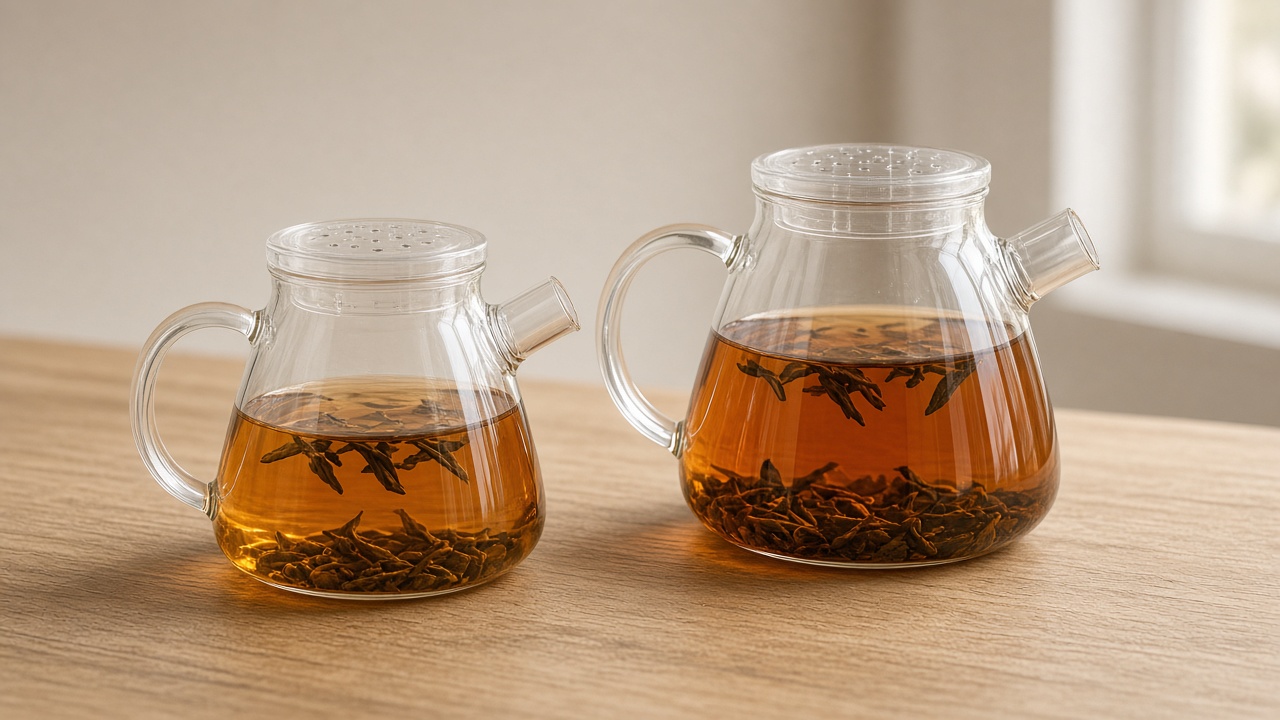
  • Hario ChaCha Kyusu Zen vs Maru: Which Glass Teapot?

    Hario ChaCha Kyusu Zen vs Maru: Which Glass Teapot?

    As an Amazon Associate, TidyJapan earns from qualifying purchases. Links marked ‘Check price’ are affiliate links.

    Short answer: Choose the Hario ChaCha Kyusu Zen if you want a wider mouth and Hario’s tapered pour design; choose Maru if you want the rounder everyday kyusu, a lower price at the same 450 mL size, or a 700 mL option. At 450 mL, Zen (CHZ-45-T) is $28.50 at Hario USA and about 120 mm across the mouth; Maru (CHJMN-45T) is $23.50 with a 94 mm mouth. Both are heatproof glass pots with lids made in Japan and stainless strainers made in China, and both are microwave and dishwasher safe if you remove the strainer first.

    How we compare: every spec and price in this article comes from Hario’s official pages (starting with Hario USA’s ChaCha Kyusu “Zen” page and Hario USA’s ChaCha Kyusu “Maru” page, plus Hario Japan / HARIO NETSHOP), all listed under Sources below. We don’t run hands-on tests. Where we quote what Japanese buyers and blogs said, we say so. Last updated: November 2026.

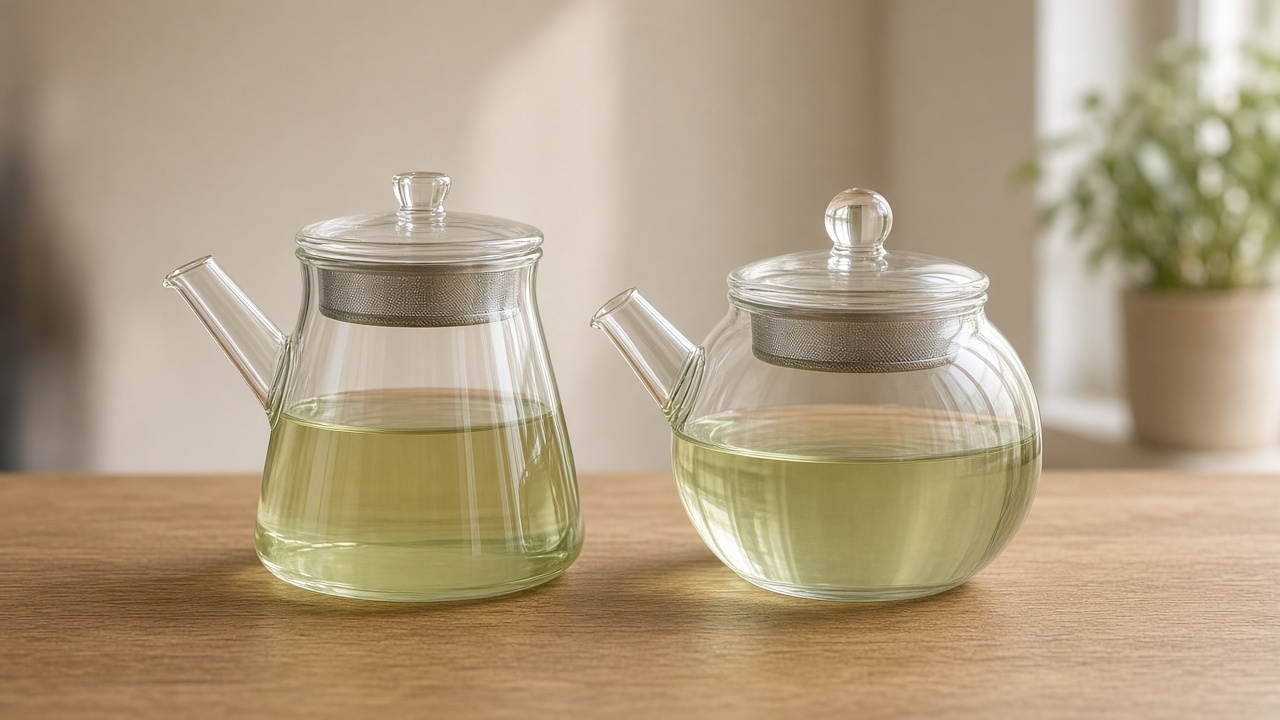
    Hario’s ChaCha Kyusu line is a clear heatproof-glass take on the Japanese kyusu (急須), the everyday teapot for loose-leaf tea. Zen (禅) and Maru (丸, “round”) share the same materials and care rules, but they are different shapes: Zen is the tapered, wider-mouth pourer; Maru is the rounder, more compact pot that also comes in a larger 700 mL size. This guide is a shape and design comparison. For Maru sizes alone, see our Hario ChaCha Kyusu Maru 300 vs 450 vs 700 article.

    Quick Comparison Table (450 mL head-to-head)

    Spec Zen 450 mL Maru 450 mL
    Model numbers CHZ-45-T / HR-CHZ-45T CHJMN-45T / HR-CHJMN-45T
    Japanese name 茶茶急須 禅 茶茶急須 丸
    Hario USA price $28.50 $23.50
    Practical capacity 450 mL (15.2 oz) 450 mL (15.2 oz)
    Brim-full capacity (HARIO NETSHOP) Not listed on the Zen page we checked 520 mL (17.6 oz)
    Size (W × D × H) 168 × 120 × 100 mm (6.6 × 4.7 × 3.9 in) 155 × 118 × 95 mm (6.1 × 4.6 × 3.7 in)
    Mouth / opening About 120 mm (4.7 in) 94 mm / Φ94 mm (3.7 in)
    Weight with box (official JP) About 400 g (14.1 oz) About 300 g (10.6 oz)
    Shape highlight (Hario USA) Tapered design for easy pouring; wide open mesh basket Modern round look; large metal strainer; round knob lid (JP/global copy)
    Size lineup 300 mL and 450 mL 300 mL, 450 mL, and 700 mL
    Pot and lid Heatproof borosilicate glass, made in Japan Same
    Strainer Stainless steel, made in China Same
    Care (Hario USA) Hot water, microwave, dishwasher OK; remove strainer before microwave; not for oven, IH, or open fire Same
    Japan price (tax incl., HARIO NETSHOP) ¥2,530 ¥2,750

    U.S. prices, capacities, materials and care from Hario USA (hario-usa.com), checked November 3, 2026, when Zen 300/450 and Maru 300/450/700 were all listed as available. Mouth diameters, Japan weights with box, Zen sizes, and Japan prices from HARIO NETSHOP / Hario Japan (shop.hariocorp.co.jp and hario.com). Inch and ounce conversions are ours. Maru brim-full figures are from HARIO NETSHOP; Zen’s NETSHOP page listed practical capacity only.

    Full size lineup

    Model Capacity Hario USA Size (W × D × H) Mouth Weight w/ box (JP)
    Zen CHZ-30-T 300 mL $25.50 156 × 110 × 90 mm About 110 mm About 300 g
    Zen CHZ-45-T 450 mL $28.50 168 × 120 × 100 mm About 120 mm About 400 g
    Maru CHJMN-30T 300 mL (brim 320 mL) $21.50 143 × 98 × 98 mm 94 mm About 300 g
    Maru CHJMN-45T 450 mL (brim 520 mL) $23.50 155 × 118 × 95 mm 94 mm About 300 g
    Maru CHJMN-70T 700 mL (brim 750 mL) $25.50 173 × 132 × 108 mm 107 mm About 400 g

    Same sources as the table above. Maru brim-full capacities from HARIO NETSHOP product pages.

    Key differences at a glance

    • Shape: Zen = tapered pour design; Maru = round modern kyusu with a round lid knob in Hario’s Japan/global copy.
    • Mouth at 450 mL: Zen about 120 mm vs Maru 94 mm (Zen is clearly the wider opening).
    • Footprint at 450 mL: Zen 168 × 120 × 100 mm vs Maru 155 × 118 × 95 mm.
    • Price at 450 mL (Hario USA): Zen $28.50 vs Maru $23.50 ($5 less for Maru).
    • Sizes: Zen 300/450 mL only; Maru 300/450/700 mL.
    • Same on both: heatproof glass pot and lid (Japan), stainless strainer (China), hot water / microwave / dishwasher OK with strainer removed for microwave; not for oven, IH, or open fire.

    1. Shape and Pour

    Hario USA’s Zen page leads with pour: “The ‘Zen’ Tea Pot features a tapered design for easy pouring, and its wide open mesh basket allows for tea leaves to move and extract freely.” The Japan NETSHOP description matches that focus—smooth pouring to the last drop, with a tapered spout (テーバー形状).

    Maru’s Hario USA copy stresses a modern look, heatproof glass, and a large metal strainer that lets leaves expand. Hario Japan’s 茶茶急須 丸 page adds that you can enjoy the color of the tea through the glass, that the strainer is large so leaves can open, and that the lid knob is a round shape that is easy to hold. Global Maru product copy likewise highlights the round knob lid for comfortable handling.

    So on paper, Zen is the pour-and-wide-basket shape; Maru is the round everyday kyusu with the round lid knob. Both are clear glass, so tea color is visible on either pot.

    2. Strainer and Mouth Size

    Both use a removable stainless-steel strainer made in China and a heatproof glass pot and lid made in Japan. The practical difference buyers care about is how wide the mouth is when you add leaves or wash the inside.

    • Zen: mouth about 110 mm (300 mL) and 120 mm (450 mL), per HARIO NETSHOP.
    • Maru: mouth 94 mm on 300 mL and 450 mL, and 107 mm on 700 mL, per Hario Japan.

    At the shared 450 mL size, Zen’s opening is about 26 mm (1.0 in) wider than Maru’s—our subtraction from Hario’s figures. That lines up with Japanese buying guides that treat Zen as the wider-mouth ChaCha option and Maru (or Maru AYAORI) as the more compact round pot.

    3. Sizes and Prices

    Zen stops at 450 mL. Maru continues to 700 mL, which matters if you brew for two or more people or chill a larger batch. At Hario USA on November 3, 2026:

    • Zen: $25.50 (300 mL) / $28.50 (450 mL)
    • Maru: $21.50 (300 mL) / $23.50 (450 mL) / $25.50 (700 mL)

    Maru 450 mL is $5 cheaper than Zen 450 mL on Hario USA. Maru 700 mL costs the same $25.50 as Zen’s smaller 300 mL. On HARIO NETSHOP (tax included), Zen listed at ¥2,200 / ¥2,530 and Maru at ¥2,750 / ¥2,750 / ¥3,300—so in Japan the Zen listing was cheaper than Maru at matching sizes when we checked, even though Zen was marked out of stock there that day.

    Maru 700 mL (CHJMN-70T) is the only size above 450 mL in this pair. For a Maru-only size pick, use the linked Maru size article rather than this shape guide.

    4. Care and Safety

    Hario USA lists the same care line for Zen and Maru:

    • Safe for hot water, microwave, and dishwasher
    • Remove the strainer before microwaving
    • Not safe for oven, IH stove, or open fire

    Hario Japan’s Maru page likewise marks microwave and dishwasher use and says to take the strainer off before microwaving. Treat both as pour-over / steep teapots, not stovetop kettles.

    Who Should Buy Which?

    Choose ChaCha Kyusu Zen (CHZ-30-T / CHZ-45-T) if you:

    • Want Hario’s tapered pour design and a wider mouth (about 110–120 mm)
    • Prefer the wider open mesh basket Hario highlights for leaf movement
    • Are fine with a 300 mL or 450 mL max (no 700 mL Zen)
    • Will pay about $5 more than Maru at 450 mL on Hario USA

    Choose ChaCha Kyusu Maru (CHJMN-30T / 45T / 70T) if you:

    • Want the rounder, more compact silhouette and round lid knob
    • Want the lower Hario USA price at 300 or 450 mL
    • Need the 700 mL size
    • Prefer the 94 mm mouth on the everyday sizes (still wide enough for many people to wash, but narrower than Zen)

    A View from Japan

    In Japan these are sold as 茶茶急須 禅 and 茶茶急須 丸. HARIO NETSHOP’s Zen page describes a heatproof-glass kyusu for enjoying Japanese tea in a stylish way, a large strainer that follows the glass shape so leaves extract well, and a tapered spout aimed at smooth pouring to the last drop. Hario Japan’s Maru page emphasizes seeing the tea’s color, a large strainer so leaves can open, and a round lid knob that is easy to hold. Both lines are presented as suitable across Japanese tea, Chinese tea, black tea, and herbal tea in NETSHOP Maru marketing copy.

    Item Japan (HARIO official)
    Japanese names 茶茶急須 禅 (Zen) / 茶茶急須 丸 (Maru)
    What the names mean 禅 = Zen (tapered pour focus in Hario’s copy); 丸 = Maru / “round”
    NETSHOP prices (tax incl.) Zen 300 mL ¥2,200; Zen 450 mL ¥2,530; Maru 300/450 mL ¥2,750; Maru 700 mL ¥3,300
    Zen mouth (NETSHOP) 300 mL: 110 mm; 450 mL: 120 mm
    Maru mouth (hario.com) 300/450 mL: 94 mm; 700 mL: 107 mm
    Materials Glass pot and lid: heatproof glass (HARIO Glass® on JP Maru page); strainer: stainless steel
    Made in Pot and lid: Japan; strainer: China
    Microwave / dishwasher Yes for both lines; remove the strainer before microwaving

    Japanese names, sizes, mouths, weights and NETSHOP prices from HARIO official pages, checked November 3, 2026. Prices include Japanese consumption tax. Zen was listed but out of stock on NETSHOP that day; Maru sizes were in stock.

    Japanese reviewers often pick by mouth width, pour, and whether the clear glass helps them judge strength. On HARIO NETSHOP, Zen averages 4.0 stars from four reviews: buyers like the large strainer and how well leaves steep, the pour from the non-flared bottom, and dishwasher use; one preferred Zen’s shape even though the round Maru was cheaper; another warned that the loose glass lid can jam diagonally between the spout and handle while washing. Maru 450 mL on NETSHOP averages about 4.4 stars from seven reviews: buyers praise clear color, smooth pouring without drips, easy washing of the round interior, and everyday use for one or two people, while reminding others that glass can break if handled roughly. A Japanese lifestyle blog that steeped Maru 450 mL praised the pour and fine mesh for keeping leaves out of the cup, and noted microwave reheating with the strainer removed. A Japanese buying guide comparing Zen 450 mL with Maru AYAORI treated Zen as the wider-mouth (120 mm) stainless-strainer pick and noted Zen’s larger shelf footprint (168 mm wide). (Third-party reviews, not our own testing.)

    Hario ChaCha Kyusu Zen vs Maru: Frequently Asked Questions

    Should I buy the Hario ChaCha Kyusu Zen or Maru?

    Buy Zen if you want the wider mouth and Hario’s tapered pour spout (CHZ-30-T / CHZ-45-T). Buy Maru if you want the rounder, more compact silhouette, the round lid knob Hario highlights, a lower Hario USA price at the same 450 mL size ($23.50 vs $28.50), or the 700 mL size that Zen does not offer. Both use heatproof Japanese glass and a stainless strainer with the same care rules.

    What is the main design difference between Zen and Maru?

    Hario USA describes Zen as a tapered design for easy pouring with a wide open mesh basket. Maru is described as a modern glass pot with a large metal strainer; Hario’s Japan and global Maru pages also call out a round knob on the lid that is easy to hold. At 450 mL, Zen is wider and taller (168 × 120 × 100 mm) with about a 120 mm mouth; Maru is 155 × 118 × 95 mm with a 94 mm mouth.

    Which size should I buy?

    For either shape, 450 mL is the everyday middle size (about 15 oz). Zen only comes in 300 mL and 450 mL. Maru adds a 700 mL size for larger batches. For a Maru-only size breakdown, see our separate Maru size guide linked below.

    Are Hario ChaCha Kyusu Zen and Maru microwave and dishwasher safe?

    Yes. Hario USA lists both as safe for hot water, microwave, and dishwasher, and says to remove the strainer before microwaving. Both are not safe for oven, IH stove, or open fire.

    Where are they made?

    For both Zen and Maru, Hario USA and Hario Japan list the glass pot and lid as made in Japan and the stainless strainer as made in China.

    How much do they cost at Hario USA?

    Checked November 3, 2026: Zen 300 mL $25.50, Zen 450 mL $28.50; Maru 300 mL $21.50, Maru 450 mL $23.50, Maru 700 mL $25.50. All five variants were listed as available. Amazon prices can differ—use the Check price buttons.

    Is the Hario ChaCha Kyusu Zen still sold in Japan?

    Yes. HARIO NETSHOP lists 茶茶急須 禅 (CHZ-30T / CHZ-45T) at ¥2,200 and ¥2,530 tax included. When we checked on November 3, 2026, both Zen sizes showed as out of stock on NETSHOP, while Hario USA still listed both as available. Maru sizes were in stock on NETSHOP.

    Check current listings

    Amazon search results for “Hario ChaCha Kyusu” often mix Zen, Maru, Maru AYAORI (resin strainer), ChaCha Kaku (角), Clear Tea Pot (FNC), Jumping Leaf, and other Hario teapots. Check the model number before you buy: CHZ-30T / CHZ-45T for Zen, CHJMN-30T / CHJMN-45T / CHJMN-70T for Maru.

    Also listed: Maru 700 mL (CHJMN-70T).

    Sources

    Specs and prices checked November 3, 2026. We found no U.S. CPSC recalls for Hario ChaCha Kyusu teapots when we checked (an unrelated Kikkerland teapot-with-stand recall appears in general teapot searches). Prices and availability change, so check the current listing before buying.
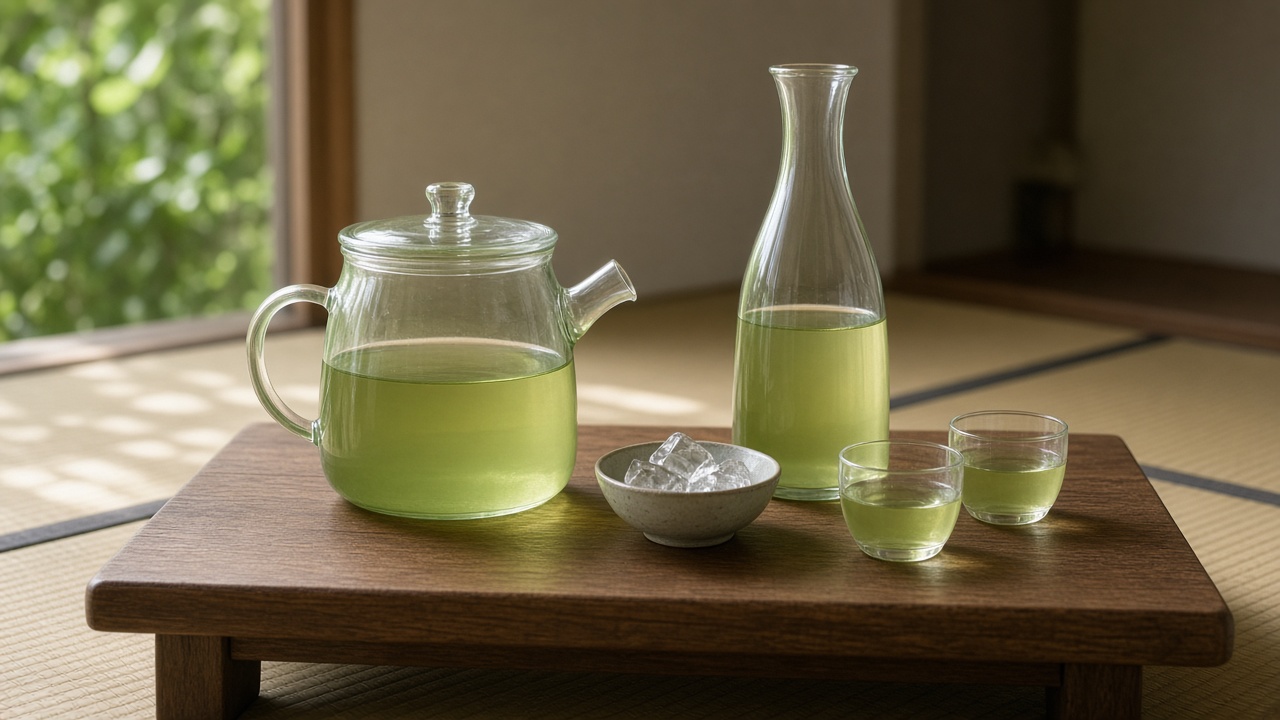
  • Hario Clear Tea Pot 450ml vs 700ml: Lidless Teapot Size Guide

    Hario Clear Tea Pot 450ml vs 700ml: Lidless Teapot Size Guide

    As an Amazon Associate, TidyJapan earns from qualifying purchases. Links marked ‘Check price’ are affiliate links.

    Short answer: Get the Hario Clear Tea Pot FNC-45-T (450 ml, $27.50 at Hario USA) if you brew for one or two people, about two 8 oz cups per pot. Get the FNC-70-T (700 ml, $33.50) if you brew for two or three, about three 8 oz cups. Both are the same lidless design: loose leaves go straight into the glass pot, and a PCT resin cap with a built-in filter and spout sits on top. Because the leaves stay in the water, choose the size you will pour out in one go.

    How we compare: every spec in this article comes from Hario’s official pages and manual (starting with Hario USA’s Clear Tea Pot page and Hario Japan’s product page), all listed under Sources below. We don’t run hands-on tests, and if a spec isn’t published, we say so. Last updated: October 2026.

    Hario is a Tokyo-based heatproof glass maker best known for the V60 coffee dripper. Its “Clear” Tea Pot, sold in Japan as the フタなしティーポット (“lidless teapot”), drops two parts most teapots have: the lid and the strainer basket. What’s left is a glass pot, a clear PCT resin filter cap with a spout, and a silicone gasket. That makes it quick to rinse, but it also changes how you brew, since you can’t lift the leaves out. It comes in two sizes, the FNC-45-T (450 ml) and FNC-70-T (700 ml). They share the same cap design and the same 74 mm mouth, so the choice is mostly about how much tea you pour at once.

    Quick Comparison Table

    Spec Hario FNC-45-T (450ml) Hario FNC-70-T (700ml)
    Practical capacity 450 ml (about 15.2 fl oz) 700 ml (about 23.7 fl oz)
    Size (W x D x H) 130 x 100 x 123 mm (5.1 x 3.9 x 4.8 in) 144 x 120 x 144 mm (5.7 x 4.7 x 5.7 in)
    Mouth diameter 74 mm (2.9 in) 74 mm (2.9 in)
    Fill mark on the glass One dot at 300 ml Dots at 400 ml and 600 ml
    Lid None: a filter cap with spout sits on top Same design
    Filter with spout PCT resin, heat resistant to 100°C (212°F) Same
    Gasket Silicone rubber, removable Same
    Body Heatproof borosilicate glass, made in Japan Same
    Dishwasher Yes (Hario manual) Yes (Hario manual)
    Microwave Glass pot only Glass pot only
    Stovetop / open flame No No
    Weight incl. box (Hario Japan store) 250 g 330 g
    Hario USA price $27.50 $33.50
    Japan suggested retail (tax incl.) ¥2,530 ¥3,080

    Specs from Hario USA, Hario’s global and Japanese product pages, and the FNC instruction manual (hario.com / global.hario.com). U.S. prices from Hario USA’s online store (hario-usa.com), checked October 31, 2026, when both sizes were listed as available. Hario’s Japanese product page lists both sizes at “about 300 g” including the box, while Hario’s Japanese online store lists 250 g and 330 g; Hario doesn’t publish the weight of the pot alone. Inch and ounce figures are our conversions.

    Key differences at a glance

    • Capacity: 450 ml vs 700 ml (about 15.2 vs 23.7 fl oz), so the FNC-70-T holds about 55% more.
    • Size: 123 mm vs 144 mm tall (4.8 vs 5.7 in) and 130 mm vs 144 mm wide.
    • Fill marks: one dot at 300 ml on the 450 ml pot; dots at 400 ml and 600 ml on the 700 ml pot (from Hario’s manual drawings).
    • Price: $27.50 vs $33.50 at Hario USA, $6 more for the larger pot.
    • Same on both: lidless filter-spout cap in PCT resin, removable silicone gasket, 74 mm mouth, heatproof glass made in Japan, dishwasher safe, microwave safe (pot only), no stovetop use.

    1. Capacity: How Many Cups per Pot?

    Hario lists “practical capacity,” the amount the pot holds in normal use: 450 ml for the FNC-45-T and 700 ml for the FNC-70-T. Hario doesn’t give a cup count, so here is our math for two common cup sizes:

    Pot Capacity 8 oz cups (our math) Japanese 150 ml cups (our math)
    FNC-45-T 450 ml / 15.2 oz About 2 About 3
    FNC-70-T 700 ml / 23.7 oz About 3 About 4 to 5

    Our calculation from Hario’s practical capacity. Actual servings depend on your cups and how much room the leaves take up.

    Size matters more with this teapot than with most. In a teapot with a removable basket, you can lift the leaves out when the tea is ready. In the Clear Tea Pot, the leaves stay in the water until you pour, and Hario’s manual says simply to pour the tea once it has steeped. A Japanese buyer on Hario’s store noted that if you don’t finish the pot, the tea gets too strong, so they brew only as much as they need each time. So the best size is the one you can pour out completely, into cups or a separate server, in one round:

    • FNC-45-T (450 ml): one large mug or two smaller cups, or tea for one person at a desk.
    • FNC-70-T (700 ml): tea for two or three people, or one person who wants a full serving of iced tea poured over a glass of ice.

    You don’t have to fill the pot to the top. The fill dots help with smaller batches: 300 ml on the 450 ml pot, and 400 ml or 600 ml on the 700 ml pot.

    2. How the Lidless Filter Spout Works

    Both sizes use the same three-part design, according to Hario’s instruction manual:

    1. Filter with spout: a clear PCT resin cap with fine filter holes and a pouring spout. Hario says PCT is BPA-free, heatproof and impact resistant.
    2. Gasket: a silicone ring that fits onto the cap. Hario’s manual says to put it on with the small circle mark facing up.
    3. Glass pot: the body, with a handle.

    To brew, Hario says to put tea leaves in the pot, add hot water, then press the cap firmly onto the top so it isn’t loose, with the spout set 180° from the handle (straight across). When the tea is ready, pour it. Hario USA also mentions sachets (tea bags) as an option. Because the cap stays on when you tilt the pot, Hario says you can pour easily with one hand.

    Hario gives one pouring tip in the manual: pour slowly, because pouring too fast can make leaves float up and clog the spout. Hario’s global feature page also says the large pot lets leaves unfold easily, since no strainer gets in the way.

    3. Size and Storage

    The FNC-45-T measures 130 x 100 x 123 mm (5.1 x 3.9 x 4.8 in), and the FNC-70-T measures 144 x 120 x 144 mm (5.7 x 4.7 x 5.7 in). Both have a 74 mm (2.9 in) mouth, so the larger pot gets its extra room from a taller, wider body rather than a bigger opening.

    Hario publishes weight only with the box. Its Japanese online store lists 250 g for the 450 ml and 330 g for the 700 ml. A Japanese tea blogger weighed the 450 ml pot with its cap at about 193 g. Either way, both are light for teapots because they have no metal strainer.

    4. Cleaning, Microwave and Heat Limits

    • Dishwasher: Hario’s manual says the product is dishwasher safe.
    • Fewer parts: Hario says all parts can be washed and the rubber seal comes off. To clear leaves from the filter, Hario says to just pour water over it.
    • Microwave: Hario’s global page says only the glass pot is microwave safe, so take the cap off first.
    • Heat: the glass handles a temperature difference of up to 120°C (216°F), the PCT cap is heat resistant to 100°C (212°F), and the silicone gasket to 180°C (356°F). Not for stovetop or open flame.
    • Care tips from the manual: don’t leave the resin parts soaking in household bleach for a long time, and wash soon after use, because silicone can pick up the color and smell of strongly colored or scented food and drinks.

    Hario’s Japanese online store told a customer that the gasket isn’t sold as a separate part. We didn’t find it listed as a spare part on Hario USA’s store either (October 31, 2026), so treat the gasket as part of the pot.

    5. Price and Alternatives

    At Hario USA, the FNC-45-T is $27.50 and the FNC-70-T is $33.50, and both were listed as available on October 31, 2026. That works out to about $1.81 per fl oz for the 450 ml and $1.41 per fl oz for the 700 ml. If you often brew for two, the 700 ml gives you more tea for $6.

    If you’d rather be able to lift the leaves out, look at a teapot with a removable strainer. Hario’s ChaCha Kyusu Maru ($21.50 to $25.50 at Hario USA) has a stainless steel basket, and KINTO’s UNITEA One Touch Teapot pushes the leaves out of the water with a button. See our ChaCha Kyusu Maru 300 vs 450 vs 700 and KINTO UNITEA One Touch 460ml vs 720ml guides. For overnight cold brew in the fridge, our Hario Mizudashi Tea Pot vs Filter-in Bottle comparison covers Hario’s cold brew pitchers.

    Who Should Buy Which?

    Choose the Hario FNC-45-T (450 ml) if you:

    • Usually drink tea alone or with one other person
    • Want to pour the whole pot right away, so the leaves don’t over-steep
    • Have little shelf space (123 mm / 4.8 in tall)
    • Want the lower price ($27.50)

    Choose the Hario FNC-70-T (700 ml) if you:

    • Brew for two or three people at once
    • Make iced tea and want room for a full serving to pour over ice
    • Want the 400 ml and 600 ml marks for different batch sizes
    • Want the better price per ounce for $6 more

    A View from Japan

    In Japan, Hario sells this pot as the フタなしティーポット・クリア, which translates to “lidless teapot, clear.” The Japanese page describes it as “a direct filter that’s easy to pour from” and says putting the filter into the PCT resin spout means fewer parts and easier handling. Hario’s Japanese specs match the U.S. listing, with suggested retail prices of ¥2,530 for the 450 ml and ¥3,080 for the 700 ml, tax included.

    Hario says the glass is “HARIO Glass®,” its heatproof glass made from natural materials at its own factory in Japan, and the manual lists the glass and spout as made in Japan and the gasket as made in Vietnam.

    Item Japan (Hario official)
    Japanese name フタなしティーポット・クリア (“lidless teapot, clear”)
    Japanese tagline 注ぎやすいダイレクトフィルター (“a direct filter that’s easy to pour from”)
    Hario’s description A PCT resin spout with a built-in filter, so the teapot has fewer parts and is easy to handle
    Suggested retail price (tax incl.) FNC-45-T ¥2,530; FNC-70-T ¥3,080
    Glass “HARIO Glass®,” heatproof glass Hario makes from natural materials at its own factory in Japan
    Made in Glass and spout: Japan; gasket: Vietnam
    Spare gasket Hario’s Japanese online store told a customer that the gasket is not sold separately

    Japanese names, prices and details from Hario’s Japanese product page (hario.com), the FNC manual and Hario’s Japanese online store (shop.hariocorp.co.jp), checked October 31, 2026. Prices include Japanese consumption tax.

    Japanese reviewers often praise how easy it is to clean: with no strainer basket, they say a quick rinse clears the filter, and buyers on Hario’s store like that there are few parts to wash. They say the leaves open up well in the roomy glass pot, that the fine filter keeps leaves out of the cup, and that it is light and pours with one hand. One buyer of the 700 ml liked that the cap has an opening for adding more hot water without taking it off. On the downside, a tea blogger found that pouring fast or using fine deep-steamed sencha clogs the filter so the last of the tea trickles out slowly, and that spent leaves cling to the inside of the pot and need to be rinsed out rather than tipped out. One buyer noted that tea left in the pot gets too strong, and another said the gasket wore out after about three years, which matters because Hario Japan doesn’t sell it separately. (Third-party reviews, not our own testing.)

    Hario Clear Tea Pot 450ml vs 700ml: Frequently Asked Questions

    Should I get the Hario Clear Tea Pot 450ml or 700ml?

    Get the FNC-45-T (450 ml, $27.50 at Hario USA) if you brew for one or two people, about two 8 oz cups per pot. Get the FNC-70-T (700 ml, $33.50) if you brew for two to three people or want about three 8 oz cups at once. Because the leaves stay in the pot, pick the size you will pour out in one go; tea left sitting on the leaves keeps getting stronger.

    Does the Hario Clear Tea Pot have a lid?

    No. Hario’s Japanese name for it is “lidless teapot.” Instead of a lid, a PCT resin filter cap with a built-in spout fits into the top of the glass pot with a silicone gasket. You put loose tea in the pot, add hot water, press the cap on, and pour through the filter.

    Is there a strainer basket?

    No. The leaves float freely in the glass pot, and the filter is built into the spout cap. Hario says the large pot lets leaves unfold easily because no strainer gets in the way. The trade-off is that you can’t lift the leaves out to stop steeping.

    Is the Hario Clear Tea Pot dishwasher safe?

    Yes. Hario’s manual says the product is dishwasher safe, and the gasket comes off for washing. Hario warns that soaking the resin parts in household bleach for a long time can shorten their life.

    Can I put the Hario Clear Tea Pot in the microwave or on the stove?

    Only the glass pot can go in the microwave, without the filter cap. It is not for stovetop or open-flame use. The glass handles a temperature difference of up to 120°C (216°F), and the PCT resin cap is heat resistant to 100°C (212°F), so boiling water is fine.

    Can I make cold brew or iced tea in it?

    Yes. Hario lists iced tea in summer as a use. A Japanese tea blogger also found the tall pot handy for cold-brewed green tea with plenty of ice.

    Does it work with fine Japanese green tea?

    It works, but pour slowly. Hario’s manual says pouring too fast can let leaves float up and clog the spout. Japanese and U.S. reviewers say very fine fukamushi (deep-steamed) sencha pours slowly through the filter. Larger-leaf teas like hojicha pour more easily.

    Is the Hario Clear Tea Pot left-handed friendly?

    Yes. Hario sets the spout 180° from the handle, straight across, so it pours the same way in either hand. A Japanese buyer on Hario’s store mentioned this as a plus for left-handed users.

    Check current listings

    Amazon search results for “Hario tea pot” often mix the Clear Tea Pot with other Hario glass teapots (the ChaCha Kyusu Maru and Zen, the Leaf Tea Pot Pure, Jumping Leaf pots and the Simply tea server), Hario’s cold brew bottles and pitchers, and other brands’ glass teapots. Check that the listing says FNC-45-T (450 ml) or FNC-70-T (700 ml), or “Clear Tea Pot” with no lid and a spout on the cap, before you buy.

    Sources

    Specs checked October 2026. We found no U.S. CPSC recalls for Hario teapots when we checked. Prices and availability change, so check the current listing before buying.

  • KINTO UNITEA One Touch Teapot 460ml vs 720ml: Which Size?

    KINTO UNITEA One Touch Teapot 460ml vs 720ml: Which Size?

    As an Amazon Associate, TidyJapan earns from qualifying purchases. Links marked ‘Check price’ are affiliate links.

    Short answer: Get the KINTO UNITEA One Touch Teapot 720ml if you pour for two or more people or like a second cup. It costs only $2.70 more at KINTO USA ($33.00 vs $30.30) and holds about 57% more (720 ml vs 460 ml, roughly three 8 oz cups vs about two). Choose the 460ml if you brew one big mug at a time and want a smaller pot. Both use the same stainless lid with a built-in mesh strainer, both are dishwasher safe, and neither can go on a stove.

    How we compare: every spec in this article comes from official KINTO pages (starting with KINTO USA’s 460ml page and 720ml page), all listed under Sources below. We don’t run hands-on tests, and if a spec isn’t published, we say so. Last updated: October 2026.

    KINTO is a Japanese tableware company founded in 1972 in Hikone, Shiga Prefecture. Its UNITEA tea series dates back to 2006, and the One Touch Teapot is the simplest pot in the line: a clear, heat-resistant glass jug and a stainless lid with a fine mesh strainer built in. You put loose tea straight into the pot, add hot water, close the lid and pour. The leaves stay behind in the pot, and there is no separate strainer basket to wash. The two sizes share the same lid and opening, so the choice comes down to how much tea you pour at once.

    Quick Comparison Table

    Spec KINTO One Touch Teapot 460ml KINTO One Touch Teapot 720ml
    Item number 8335 8336
    Capacity 460 ml (about 15.6 US fl oz; KINTO USA labels it “14 oz”) 720 ml (about 24.3 US fl oz; KINTO USA labels it “25 oz”)
    8 oz cups per pot (our math, brim-full) About 1.9 About 3.0
    Size (KINTO USA) φ78 x H100 x W140 mm (3.1 x 3.9 x 5.5 in) φ78 x H125 x W150 mm (3.1 x 4.9 x 5.9 in)
    Weight (KINTO Japan) About 215 g (about 7.6 oz) About 250 g (about 8.8 oz)
    Pot material Heat-resistant glass (max. temperature difference 150°C / 302°F) Same
    Lid 18-8 stainless steel, polypropylene and silicone, with built-in mesh strainer; heat-resistant to 140°C (284°F) Same lid (KINTO sells one replacement lid for both sizes)
    Dishwasher Pot and lid: yes Pot and lid: yes
    Microwave Pot: yes. Lid: no (take it off first) Pot: yes. Lid: no (take it off first)
    Heat source Tea light candle only (KINTO pairs it with the UNITEA Tea Warmer); no stovetop Same
    KINTO USA price $30.30 $33.00
    Price per fl oz (our math) About $1.95 About $1.36
    Made in China China

    Specs and prices from KINTO USA and KINTO Japan, checked October 2026. KINTO USA lists the diameter as 78 mm; KINTO Japan lists 80 mm for the same items. Weights are only published by KINTO Japan. Fluid-ounce, inch, ounce and Fahrenheit conversions, cup counts and price per fl oz are ours. Cup counts assume 8 US fl oz (about 237 ml) per cup at KINTO’s listed capacity; you will usually pour a little less.

    Key differences at a glance

    • Capacity: 460 ml (about 15.6 fl oz) vs 720 ml (about 24.3 fl oz). The 720ml holds about 57% more.
    • Size: Same 78 mm opening; the 720ml is 25 mm (about 1 in) taller and 10 mm wider at the handle.
    • Weight: About 215 g vs 250 g empty (KINTO Japan figures).
    • Price: $30.30 vs $33.00 at KINTO USA, so the 720ml costs less per ounce (about $1.36 vs $1.95).
    • What stays the same: glass, lid design, the same replacement lid, dishwasher-safe pot and lid, microwave-safe pot (lid off), and tea-light-only heating.

    1. Capacity: How Much Tea Each Size Pours

    KINTO USA labels the sizes “14 oz” and “25 oz,” but those labels don’t match a straight metric conversion. 460 ml is about 15.6 US fl oz and 720 ml is about 24.3 fl oz. (For comparison, KINTO USA’s glass UNITEA Teapot pages list 500 ml as 17 oz and 720 ml as 24.4 oz, which do match.) Go by the milliliters.

    • 460ml: about one 12–14 oz mug, or two small 6–7 oz teacups.
    • 720ml: about three 8 oz cups, or two large mugs.

    One thing to know about this design: the leaves stay in the water until you pour. KINTO doesn’t publish brewing guidance for this pot, but because there is no basket to lift out, the tea keeps steeping while it sits. If you only want one cup now and one later, the second cup will be stronger. That makes the 460ml a good match for people who drink one pot in one sitting, and the 720ml better for sharing or for pouring several cups quickly.

    2. The Lid and Built-in Strainer

    The “one touch” name refers to the lid. KINTO USA describes it as a lid with an integrated strainer and a silicone ring that keeps it from dropping off when you pour, with “minimal parts” that make it simple to wash. The lid is 18-8 stainless steel, polypropylene and silicone, heat-resistant to 140°C (284°F), and dishwasher safe.

    KINTO’s own support pages list two quirks worth knowing before you buy:

    • Hold the lid while pouring. KINTO says the weight of the tea leaves can push the lid off, so the pot is meant to be poured with a hand lightly on the lid (KINTO USA support).
    • If the lid feels too tight, close it while the pot holds hot water (heat softens the ring) and tilt it in slowly rather than pressing straight down, which can roll the silicone ring up (KINTO USA support).

    Both sizes take the same lid. KINTO Japan sells it as a replacement part (item 78336, ¥1,320) for the 460ml and 720ml. KINTO USA lists item 78336 too, but under the name “Silicone ring UNITEA one touch teapot 450ml/720ml lid” at $1.50, while the spec block describes a full lid (φ80 x H26 mm, about 45 g). If you need a spare, confirm with KINTO USA which part you will receive.

    3. Cleaning, Microwave and Heat

    The glass pot is dishwasher and microwave safe, and KINTO lists a maximum temperature difference of 150°C (302°F). The lid is dishwasher safe but not microwave safe, so take it off before reheating tea. KINTO’s care notes also say:

    • Don’t use abrasive cleansers or steel wool.
    • Don’t overheat the pot in the microwave or heat it empty.
    • While the glass is hot, don’t pour cold liquid into it or set it on a wet cloth or wet surface.
    • Wash and dry the stainless lid soon after use and store it away from other metals to prevent rust.

    KINTO says its glass teapots can’t be used on a stove or open flame (KINTO USA support). The One Touch Teapot can be kept warm with a tea light candle in the UNITEA Tea Warmer ($30.40 at KINTO USA, φ97 x H49 mm, 18-8 stainless steel). KINTO says the warmer works only with UNITEA teapots and recommends tea lights about 38 mm across and 16 mm tall. Check the KINTO UNITEA Tea Warmer on Amazon.

    If fine leaves get stuck in the mesh, KINTO Japan recommends a soak in hot or warm water with baking soda or oxygen bleach, then a scrub with a toothbrush (KINTO Japan support, in Japanese).

    4. Price and Availability

    At KINTO USA, the 460ml is $30.30 and the 720ml is $33.00. Both come in one clear version. When we checked, both were in stock, with KINTO USA showing low-stock notices (25 left for the 460ml, 21 for the 720ml). Because the price gap is only $2.70, an Amazon sale on either size can easily decide it, as long as the size fits how much tea you drink.

    One Touch vs the Regular UNITEA Glass Teapot

    KINTO also sells the classic UNITEA Teapot, which uses a separate strainer that sits inside the pot instead of a mesh in the lid. Here is how the glass versions line up against the One Touch models, plus a look-alike from KINTO’s CAST series that often shows up in the same searches.

    Model (KINTO USA) Capacity in specs Height Strainer Heat source KINTO USA price
    UNITEA One Touch Teapot 460ml 460 ml 100 mm Mesh built into the stainless lid Tea light OK $30.30
    UNITEA One Touch Teapot 720ml 720 ml 125 mm Mesh built into the stainless lid Tea light OK $33.00
    UNITEA Teapot 450ml glass 500 ml* 110 mm Separate strainer; lid, strainer and pot are heat-resistant glass Tea light OK $24.80
    UNITEA Teapot 680ml glass 720 ml* 147 mm Separate strainer (glass, per KINTO USA) Tea light OK $27.50
    CAST One Touch Tea Pot 450ml (different series) 450 ml 95 mm Built into the lid Not listed (boiling water and microwave only) $30.40

    Specs and prices from KINTO USA, October 2026. Heights are KINTO’s listed heights. *KINTO names these models 450ml and 680ml, but their size specs list 500 ml and 720 ml; KINTO doesn’t explain the difference. The CAST pot is listed for boiling water and microwave use with a 120°C maximum temperature difference, and its lid is heat-resistant to 100°C.

    The glass UNITEA Teapot 450ml ($24.80) and 680ml ($27.50) cost less, and their separate strainer lets you lift the leaves out to stop steeping. The One Touch has fewer parts and the leaves brew loose in the whole pot. For other glass tea options, see our Hario ChaCha Kyusu Maru 300 vs 450 vs 700 guide, and for iced tea, our Hario Mizudashi Tea Pot vs Filter-in Bottle comparison.

    Who Should Buy Which?

    Choose the KINTO One Touch Teapot 460ml if you:

    • Brew one large mug or two small cups at a time
    • Usually finish the pot in one sitting, so the leaves don’t over-steep
    • Want the smallest, lightest pot (100 mm tall, about 215 g)

    Choose the KINTO One Touch Teapot 720ml if you:

    • Pour for two or more people
    • Want about three 8 oz cups from one brew
    • Want the lower price per ounce for only $2.70 more
    • Plan to keep tea warm on the UNITEA Tea Warmer for a while

    A View from Japan

    In Japan, KINTO sells the same pots as UNITEA ワンタッチティーポット (“One Touch Teapot”) 460ml and 720ml, with the same item numbers (8335 and 8336). The Japanese label classifies them as heat-resistant glassware (耐熱ガラス製器具) approved for boiling water, the microwave and direct heat from a tea light candle only. Prices in Japan are ¥2,640 and ¥2,860 including tax.

    KINTO’s Japanese journal tells the story behind the series in an interview with designer Fumie Shibata. KINTO says that when UNITEA launched in 2006, tea in Japan was mostly brewed in ceramic kyusu teapots, and glass teaware was mostly ornate imports. KINTO asked Shibata for an everyday glass set built around 個茶 (“ko-cha”), the idea of each person enjoying their own favorite tea in their own teaware. Two design choices from that brief explain the pots you see today: every UNITEA item shares the same opening diameter so parts can be mixed, and handles are made big enough to grip with four fingers instead of a delicate pinch (Shibata describes this for the cups, and the teapots share the same large arched handle). Shibata says keeping one opening size while doubling capacity was hard, so she chose a soft, bottom-heavy shape and changed its curve to adjust the volume. That is why the 460ml and 720ml share one lid.

    KINTO Japan’s support pages add two practical notes in Japanese: tea stuck in the mesh comes out with a baking soda or oxygen bleach soak, and a little white residue on the underside of the lid comes from crimping the mesh during manufacturing and is not a defect (source).

    Spec 460ml (Japan) 720ml (Japan)
    Official name in Japan UNITEA ワンタッチティーポット 460ml UNITEA ワンタッチティーポット 720ml
    Product type (Japanese label) Heat-resistant glassware (耐熱ガラス製器具) Same
    Approved uses (Japanese label) Boiling water, microwave, direct heat (tea light candle only) Same
    Size / weight φ80 x H100 x W140 mm, about 215 g φ80 x H125 x W150 mm, about 250 g
    Price (tax incl.) ¥2,640 ¥2,860
    Replacement lid No. 78336, ¥1,320 (fits 460ml and 720ml) Same lid

    Japanese specs and prices from KINTO Japan (kinto.co.jp), checked October 2026.

    Japanese reviewers on blogs and in Rakuten and Yahoo! Shopping buyer reviews most often praise the clear glass (you can see the color of the tea), the wide opening that a sponge reaches easily, the lack of a separate strainer, and the dishwasher-safe pot and lid. Among 720ml owners, one says it pours two mugs and another uses it to fill a 500 ml bottle; one blogger mentions a friend who bought the 460ml and later wished she had chosen the 720ml. The most common complaint is that fine-leaf green tea can clog the small mesh, so the last of the tea trickles out slowly; reviewers say large-leaf black tea, hojicha and herbal tea cause fewer problems, and suggest pouring slowly, turning the lid or swirling the pot. One blogger who chose the 720ml found that leaves bunch up at the spout more in the smaller pot. Many say the silicone ring keeps the lid on, so pouring one-handed works. Complaints about the ring are usually fixed by seating it properly; one blogger notes it ships loosely hooked on and has to be fitted over the mesh tab. Opinions on pouring speed are split. A few owners mention the glass feels thin, and one Rakuten reviewer said an earlier pot cracked near the handle after about a year. One Yahoo! Shopping reviewer noted that you can’t remove the leaves if you don’t drink the whole pot at once. (Third-party reviews, not our own testing.)

    KINTO One Touch Teapot 460ml vs 720ml: Frequently Asked Questions

    Should I get the KINTO One Touch Teapot 460ml or 720ml?

    For two or more people, or if you like a second cup, get the 720ml. It costs only $2.70 more at KINTO USA ($33.00 vs $30.30) and holds about 57% more: roughly three 8 oz cups vs about two. The 460ml is the better pick if you brew one large mug (or two small cups) at a time and want a smaller, lighter pot: it is 25 mm (about 1 in) shorter and about 35 g lighter.

    How many cups does the KINTO One Touch Teapot make?

    By our math, the 460ml holds about 1.9 cups of 8 US fl oz and the 720ml about 3.0, filled to KINTO’s listed capacity. Because the leaves stay in the pot and you need some headroom under the lid, plan on a little less in practice. KINTO’s 460 ml is about 15.6 US fl oz and 720 ml is about 24.3 fl oz, even though KINTO USA labels them “14 oz” and “25 oz.”

    Is the KINTO One Touch Teapot dishwasher and microwave safe?

    KINTO says both the glass pot and the lid are dishwasher safe. The glass pot is also microwave safe, but the lid is not, because it is made of stainless steel, polypropylene and silicone, so take the lid off before reheating tea in the microwave. KINTO also says not to use abrasive cleansers or steel wool, and not to overheat the pot in the microwave or heat it empty.

    Can I put the KINTO One Touch Teapot on the stove?

    No. KINTO says its glass teapots can’t go on a stove or open flame. The only heat source it allows is a tea light candle, which KINTO USA’s support page pairs with the UNITEA Tea Warmer ($30.40). KINTO says the warmer is designed for UNITEA teapots only.

    Why does the lid fall off when I pour?

    KINTO says this teapot needs you to hold the lid lightly while pouring, because the weight of the tea leaves can push it off. If the lid falls off even when the pot is empty, KINTO says the pot’s opening may be too large and asks you to contact its customer service.

    The lid is too tight and the silicone ring rolls up. What should I do?

    KINTO suggests two fixes: put the lid on while the pot holds hot water, since the heat softens the silicone ring, and tilt the lid as you close it slowly instead of pushing it straight down. If it is still too tight, KINTO asks you to contact its customer service.

    How do I clean tea leaves stuck in the mesh?

    KINTO Japan recommends soaking the lid in hot or warm water with baking soda or oxygen bleach until the water cools, then rinsing, washing with dish soap and drying it well. Brushing the mesh with a toothbrush helps. KINTO Japan also says a little white residue on the underside of the lid comes from crimping the mesh during manufacturing and is not a defect.

    Can I buy a replacement lid?

    Yes, as far as we can tell. Both sizes use the same lid. KINTO Japan sells it as item 78336 (¥1,320). KINTO USA lists the same item number as “Silicone ring UNITEA one touch teapot 450ml/720ml lid” for $1.50, but its specs describe a whole lid (φ80 x H26 mm, about 45 g), so ask KINTO USA which part ships before ordering. An older KINTO Japan support answer still says the lid isn’t sold separately.

    Check current listings

    Amazon listings sometimes mix the One Touch Teapot with the regular UNITEA Teapot (separate strainer), the CAST One Touch Tea Pot, or other KINTO glass pots, and some list both sizes on one page. Check for “One Touch” and “460ml” or “720ml” (item 8335 or 8336) before you buy.

    Sources

    Specs checked October 2026. We found no recalls for KINTO products in the U.S. CPSC recall database when we checked. Prices and availability change, so check the current listing before buying.

  • Hario ChaCha Kyusu Maru 300 vs 450 vs 700: Which Size?

    Hario ChaCha Kyusu Maru 300 vs 450 vs 700: Which Size?

    As an Amazon Associate, TidyJapan earns from qualifying purchases. Links marked ‘Check price’ are affiliate links.

    Short answer: Buy the Hario ChaCha Kyusu Maru 450 mL (CHJMN-45T, $23.50 at Hario USA) unless you have a clear reason not to. It is the smallest size that fits Hario’s own 350 mL brewing recipe, which is about one 12 oz mug. The 300 mL (CHJMN-30T, $21.50) suits one small cup at a time. The 700 mL (CHJMN-70T, $25.50) is for two or more people or for a chilled batch. All three use the same heatproof Japanese glass and a stainless steel strainer, so the only real decision is size.

    How we compare: every spec in this article comes from official manufacturer pages and documents (starting with Hario USA’s ChaCha Kyusu “Maru” Tea Pot page and Hario Japan’s 茶茶急須 丸 page), all listed under Sources below. We don’t run hands-on tests, and if a spec isn’t published, we say so. Last updated: October 2026.

    In Japan, a kyusu is the everyday teapot for loose-leaf green tea. Hario’s ChaCha Kyusu Maru (“round”) is a clear glass version with a strainer basket. It comes in three sizes with nearly identical names, so the most common question is simply which one to buy.

    Quick Comparison Table

    Spec Maru 300 Maru 450 Maru 700
    Model number CHJMN-30T CHJMN-45T CHJMN-70T
    Practical capacity 300 mL (10.1 oz) 450 mL (15.2 oz) 700 mL (23.7 oz)
    Brim-full capacity (Hario Japan store) 320 mL (10.8 oz) 520 mL (17.6 oz) 750 mL (25.4 oz)
    Size (W x D x H) 143 x 98 x 98 mm 155 x 118 x 95 mm 173 x 132 x 108 mm
    Mouth diameter 94 mm 94 mm 107 mm
    Hario’s green tea recipe (350 mL) Too small Fits Fits, with room for a 2x batch
    Pot and lid Heatproof borosilicate glass, made in Japan Same Same
    Strainer Stainless steel, made in China Same Same
    Hario USA price $21.50 $23.50 $25.50
    Hario Japan price ¥2,750 ¥2,750 ¥3,300

    Practical capacity, sizes, materials and origins are from Hario USA and Hario Japan product pages. Brim-full capacities are from Hario’s official Japanese web store (HARIO NETSHOP). US prices are Hario USA’s own store prices, not Amazon prices. Japanese prices include tax. Hario publishes only boxed weights, and its Japanese pages don’t agree with each other, so we don’t list weights. Checked October 2026.

    Key differences at a glance

    • Capacity: 300, 450 or 700 mL of practical capacity (10.1, 15.2 or 23.7 oz).
    • Price: Only $4 separates the smallest and largest at Hario USA ($21.50 / $23.50 / $25.50).
    • Footprint: The 450 is wider than the 300 (155 vs 143 mm) but slightly lower (95 vs 98 mm). The 700 is the largest in every direction, with a wider 107 mm mouth.
    • What stays the same: Heatproof borosilicate glass pot and lid made in Japan, stainless steel strainer, and the same care rules: hot water, microwave (strainer out) and dishwasher are fine, while stovetops and ovens are not.

    How Many Cups Each Size Makes

    Hario rates the Maru by practical capacity, the amount you actually brew with the strainer and lid in place. Its Japanese store also lists brim-full capacity, which is only 20-50 mL more. Plan around the practical number.

    • 300 mL (CHJMN-30T): One cup of about 10 oz. Good for a single drinker at a desk.
    • 450 mL (CHJMN-45T): One 12-15 oz mug. Hario’s green tea and black tea recipes both use 350 mL of water, which fits this size with room to spare.
    • 700 mL (CHJMN-70T): About two 12 oz mugs. This size makes sense for a couple, for guests, or for brewing once and keeping a pot of iced tea in the fridge.

    The 300 mL can’t hold Hario’s 350 mL recipe, so you would scale it down. With the 700 mL, you can make a smaller batch, but keep in mind that the leaves need enough water to stay submerged in the strainer.

    Hario’s Official Brewing Recipe

    Hario Japan publishes a short recipe booklet for the ChaCha Kyusu Maru (in Japanese). Here it is in US terms:

    TeaLeavesWaterSteep
    Japanese green tea7-8 g (2-3 heaping tsp)350 mL of boiled water, first poured into the cups to cool it to about 90°C (194°F)About 1 minute
    Black tea5-6 g (2 heaping tsp)350 mL at 100°C (212°F)2-3 min for fine leaves, 3-4 min for large leaves, then stir once

    For both, Hario suggests pouring a little into each cup in turn (mawashi-tsugi) so every cup ends up the same strength. Hario also suggests brewing with extra leaves and pouring over a glass full of ice for quick iced tea in summer.

    What All Three Sizes Share

    Glass and heat limits

    The pot and lid are Hario’s heatproof borosilicate glass, made in Japan. Hario’s manual rates the glass for a temperature difference of 120°C (216°F). It is fine with boiling water and microwave reheating, but Hario says not to use it on an IH cooktop, over an open flame, or in an oven. The manual also says not to heat it empty, and not to use a pot that is cracked, chipped or deeply scratched.

    The strainer

    Each size comes with a large stainless steel mesh strainer. Hario USA says it gives the leaves room to expand. The pot and lid are made in Japan, and the strainer is made in China. Hario’s manual says to take the strainer out before microwaving, and not to leave it soaking in household bleach for long, because that can weaken the metal.

    Pouring and cleaning

    Hario’s Japanese manual highlights four points: the handle works for both right- and left-handed users, the strainer comes out, the wide mouth is easy to wash, and the lid is designed not to slip. It still says to keep a hand on the lid when you pour. The three small dents in the lid are air vents. For cleaning, use a soft sponge and mild detergent, not cleanser or abrasive pads. For heavy tea stains on the glass, Hario says you can use diluted household bleach and rinse well. Hario USA lists the Maru as dishwasher safe.

    Maru vs Natsume: Which Hario Glass Teapot?

    If you’re looking at the Maru, you’ll probably also see the Hario ChaCha Natsume. It is a taller Hario glass teapot at a similar price, and the key difference is the strainer.

    Spec ChaCha Kyusu Maru ChaCha Natsume
    Model numbers CHJMN-30T / 45T / 70T CHRN-2N / CHRN-4N
    Practical capacities 300 / 450 / 700 mL 360 / 700 mL
    Shape Low, round pot (95-108 mm tall) Taller pot (116 / 143 mm tall)
    Strainer Stainless steel mesh basket Polypropylene frame with polyester mesh (rated to 120°C / 248°F, per Hario’s manual)
    Microwave (reheating tea) Remove the strainer first Remove the lid and strainer first
    Hario USA price $21.50 / $23.50 / $25.50 $24.50 / $26.50
    Hario Japan price ¥2,750 / ¥2,750 / ¥3,300 ¥2,750 / ¥3,300

    Sources: Hario USA, Hario Japan and Hario Global product pages and the Natsume instruction manual. Hario USA’s size menu labels the smaller Natsume “450 ml,” but its product description and Hario Japan both list CHRN-2N at 360 mL.

    Hario says the Natsume’s strainer does not clog when you pour, and its manual says it handles finely cut tea leaves. That makes the Natsume worth a look if you mostly brew fukamushi (deep-steamed) sencha or other fine teas. The Maru is lower, costs $1 less at the 700 mL size, and has a metal strainer instead of a plastic one. For the Natsume, Hario says to remove both the lid and the strainer before microwaving.

    Who Should Buy Which?

    Choose the Maru 300 mL (CHJMN-30T) if you:

    • Drink one small cup at a time and want the smallest pot on your desk
    • Don’t mind scaling Hario’s 350 mL recipe down

    Choose the Maru 450 mL (CHJMN-45T) if you:

    • Drink one mug, or share with one other person
    • Want to follow Hario’s recipe as written
    • Aren’t sure which size to get (it costs only $2 more than the 300)

    Choose the Maru 700 mL (CHJMN-70T) if you:

    • Pour for two or more people or for guests
    • Want to brew once and chill a pot of tea for later

    Prefer cold-brewing tea in the fridge instead? See Hario Mizudashi Tea Pot vs Filter-in Bottle. Need a kettle for hot water? See Hario V60 Drip Kettle AIR vs Zebrang 350 mL. To keep a brewed cup hot at your desk, see Thermos Icon 12 oz Tumbler vs 14 oz Mug.

    The View from Japan

    Hario Japan sells this teapot as the 茶茶急須 丸 (chacha kyusu maru). It describes it as a teapot designed for ease of use. The clear glass lets you watch the color of the tea, the large strainer lets the leaves open up, and the round knob on the lid is easy to grip. Hario’s official Japanese store adds a few more selling points: a wide mouth that is easy to wash, a compact pot that still holds a lot, Japanese-made glass, and a design that works for Japanese, Chinese, black and herbal tea. Hario notes that the glass, HARIO Glass, is made from natural materials at its own factory in Japan.

    In Japan, the 300 mL and 450 mL both list at ¥2,750 and the 700 mL at ¥3,300 (tax included). The official store lists the 300 and 450 as sharing the same replacement lid and strainer, and the 700 mL as having its own strainer. Hario Japan currently lists six kyusu-style teapots, including the Maru, the square Kaku and the Natsume.

    Japanese reviewers, on Hario’s official store and on lifestyle blogs, most often praise being able to see the tea’s color, which helps them pour it before it gets too strong or too weak. They also like the wide mouth and short spout, which make the pot easy to wash, and many say it pours cleanly without dripping. Two grape UPDATE review articles noted that very few leaves got past the fine strainer, and that the handle stayed cool while pouring. The complaints are mostly about glass. Two store reviewers broke a pot or found a crack in the spout, though one blogger reported three years of use without a break. One 300 mL reviewer said the lid rattled when pouring and needed holding. A 700 mL owner wished the mesh clogged less. A blogger who uses the 700 mL daily said tea stains collect at the spout but come off with kitchen bleach. The same blogger said the open spout lets the tea cool faster, so they cover the pot with a cloth in winter, and that they support the bottom of a full 700 mL pot. We found few Japanese reviews of the Natsume, and none yet on Hario’s own store. (Third-party reviews, not our own testing.)

    Hario ChaCha Kyusu Maru: Frequently Asked Questions

    Which Hario ChaCha Kyusu Maru size should I buy?

    For most people, the 450 mL (CHJMN-45T). It is the smallest Maru that fits Hario’s own 350 mL brewing recipe, which is about one 12 oz mug. Pick the 300 mL (CHJMN-30T) only if you drink one small cup at a time, and the 700 mL (CHJMN-70T) if you regularly pour for two or more people or chill a batch for later.

    How many cups does each size make?

    Hario rates the Maru by practical capacity: 300 mL (10.1 oz), 450 mL (15.2 oz) and 700 mL (23.7 oz). In US terms, that is roughly one 10 oz cup, one 12-15 oz mug, or two 12 oz mugs. Hario Japan’s brewing recipe uses 350 mL of water, which fits the 450 and 700 but not the 300.

    Can the Hario ChaCha Kyusu Maru go on the stove?

    No. Hario says it is safe for hot water, the microwave (with the strainer removed) and the dishwasher, but not for an oven, an induction (IH) cooktop or an open flame. Heat your water in a kettle, then pour it in.

    Is the Hario Maru teapot microwave and dishwasher safe?

    Yes, with one condition for the microwave: take out the stainless steel strainer first. Hario’s manual also warns that water heated in a microwave can boil over suddenly, and that the glass is rated for a temperature difference of 120°C (216°F). Hario USA lists the Maru as dishwasher safe.

    How much tea should I use in the Maru?

    Hario Japan’s recipe for Japanese green tea is 7-8 g of leaves (2-3 heaping teaspoons), 350 mL of boiled water cooled to about 90°C (194°F), and about 1 minute of steeping. For black tea, it uses 5-6 g (2 heaping teaspoons) and 350 mL of boiling water, steeped 2-3 minutes for fine leaves or 3-4 minutes for large leaves.

    What is the difference between the Hario Maru and the Natsume?

    The strainer and the shape. The Maru is a low, round pot with a stainless steel strainer. The Natsume is taller and uses a plastic strainer with fine polyester mesh, which Hario says does not clog when you pour. The Natsume comes in 360 mL ($24.50 at Hario USA) and 700 mL ($26.50), versus $25.50 for the 700 mL Maru.

    Is the Maru only for Japanese green tea?

    No. Hario Japan says it works for Japanese green tea, Chinese tea, black tea and herbal tea, and its recipe booklet covers both green and black tea.

    Check current listings

    Prices change often, and the three sizes have very similar listings, so check the model number (CHJMN-30T, 45T or 70T) before buying. If you want the fine-mesh alternative, search for the Hario ChaCha Natsume (CHRN-2N).

    Sources

    Specs checked October 2026. Prices and availability change, so check the current listing before buying.

  • Hario Mizudashi Tea Pot vs Filter-in Bottle: Which Cold Brew?

    Hario Mizudashi Tea Pot vs Filter-in Bottle: Which Cold Brew?

    As an Amazon Associate, TidyJapan earns from qualifying purchases. Links marked ‘Check price’ are affiliate links.

    Short answer: Get the Mizudashi Cold Brew Tea Pot (1000 mL, $20.50 at Hario USA) for more tea per batch at a lower price. Hario lists it as dishwasher safe. Get the Cold Brew Tea Wine Bottle (750 mL, $27.50), sold in Japan as the Filter-in Bottle, if you want the wine-bottle look and a silicone stopper.

    How we compare: every spec in this article comes from official manufacturer specifications and product pages (starting with Hario USA’s tea pot page and wine bottle page), all listed under Sources below. We don’t run hands-on tests, and if a spec isn’t published, we say so. Last updated: October 2026.

    I live in Japan, where a jug of cold-brewed barley or green tea in the fridge is a summer staple. These are Hario’s two best-known cold brew tea vessels.

    I haven’t tested these side by side. Everything below comes from the manufacturers’ official product pages, linked at the end. If a spec isn’t published, I say so instead of guessing.

    Quick Comparison Table

    Spec Hario Mizudashi Cold Brew Tea Pot Hario Cold Brew Tea Wine Bottle
    Capacity 1000 mL 750 mL
    Size (W x D x H) 84 x 82 x 265 mm (76 mm opening) 87 x 84 x 300 mm
    Glass Heatproof borosilicate Heatproof glass
    Strainer PP frame with polyester mesh Removable plastic (PP) strainer
    Top PP lid with silicone packing Removable silicone spout and stopper
    Dishwasher (Hario USA) Hot water and dishwasher safe Not stated
    Colors (Hario USA) Smokey Green Olive Green, Smokey Green, Smokey Pink, White, Black
    Hario USA price $20.50 $27.50
    Made in Japan Japan

    Sizes, capacities and materials are from Hario USA product pages. Hario USA doesn’t publish product weights on these pages, so we don’t list them.

    Key differences at a glance

    • Capacity: The Mizudashi tea pot holds 1000 mL, while the wine bottle holds 750 mL.
    • Price: Hario USA lists the tea pot at $20.50 and the wine bottle at $27.50.
    • Cleaning: Hario USA lists the tea pot as hot water and dishwasher safe, and its wine bottle page doesn’t mention dishwasher use.
    • Height: The tea pot is 265 mm tall, while the wine bottle is 300 mm.
    • What stays the same: Both are made in Japan, have a built-in strainer and pour without removing the tea leaves.

    The 4 Differences That Matter

    1. Volume

    1000 mL versus 750 mL. For a family drinking iced tea all day, the pot’s extra 250 mL helps.

    2. Fridge fit

    The two are almost equally slim (84 mm vs 87 mm wide). The pot is 35 mm shorter, so it fits more door pockets.

    3. Cleaning

    Hario USA lists the pot as dishwasher safe. A Japanese owner of the wine bottle found its silicone spout grooves fiddly and said tea stains on the strainer were hard to remove.

    4. Style

    The wine bottle comes in five colors and is designed to go on the dinner table. The pot comes in one color.

    What’s the same

    Both are Japanese-made heatproof glass vessels that cold-brew loose tea, herbs or fruit in the fridge and pour through a built-in strainer.

    Who Should Buy Which?

    Choose the Mizudashi Cold Brew Tea Pot if you:

    • Want the most tea per batch
    • Want dishwasher cleaning
    • Want the lower price

    Choose the Cold Brew Tea Wine Bottle if you:

    • Want it on the dinner table
    • Want a color choice
    • Like a silicone stopper seal

    Cold Brew Tea in Japan

    In Japan the wine bottle is the フィルターインボトル (FIB-75, 750 mL), sold at about ¥1,980-2,200 on Hario’s Japanese store. Its 1000 mL Mizudashi tea pot (MD-10) is listed there at ¥1,650. Hario says the bottle was designed so people could enjoy cold-brewed tea with meals, the way they would wine.

    A Japanese blogger who used the Filter-in Bottle for two years liked how it fits the fridge door, its wine-bottle look, and a seal good enough that it didn’t spill when knocked over. The downsides were silicone grooves that need a cotton swab to clean, tea stains on the strainer, and a strainer that can drop into the bottle if it isn’t seated properly. (Third-party reviews, not our own testing.)

    Making coffee instead? See Hario Mizudashi vs Cold Brew Coffee Wine Bottle.

    Hario Mizudashi Tea Pot vs Filter-in Bottle: Frequently Asked Questions

    Is the Hario Filter-in Bottle the same as the Cold Brew Tea Wine Bottle?

    Yes. Hario Japan sells the 750 mL wine bottle as the フィルターインボトル FIB-75. The US product number is also FIB-75.

    Which holds more?

    The Mizudashi Cold Brew Tea Pot, at 1000 mL versus 750 mL.

    Is the Mizudashi tea pot dishwasher safe?

    Hario USA says it is hot water and dishwasher safe, but not for microwave, oven or open flame.

    Can I cold brew fruit or herbs?

    Hario suggests both products for tea, herbs or fruit.

    Check current listings

    Prices and colors change often, so check the current listing before buying.

    Sources

    Specs checked October 2026. Prices and availability change, so check the current listing before buying.